The Best Skincare Products Our Editors Actually Use
We field-tested 60 skincare products over six months. These are the ones that made a visible difference.
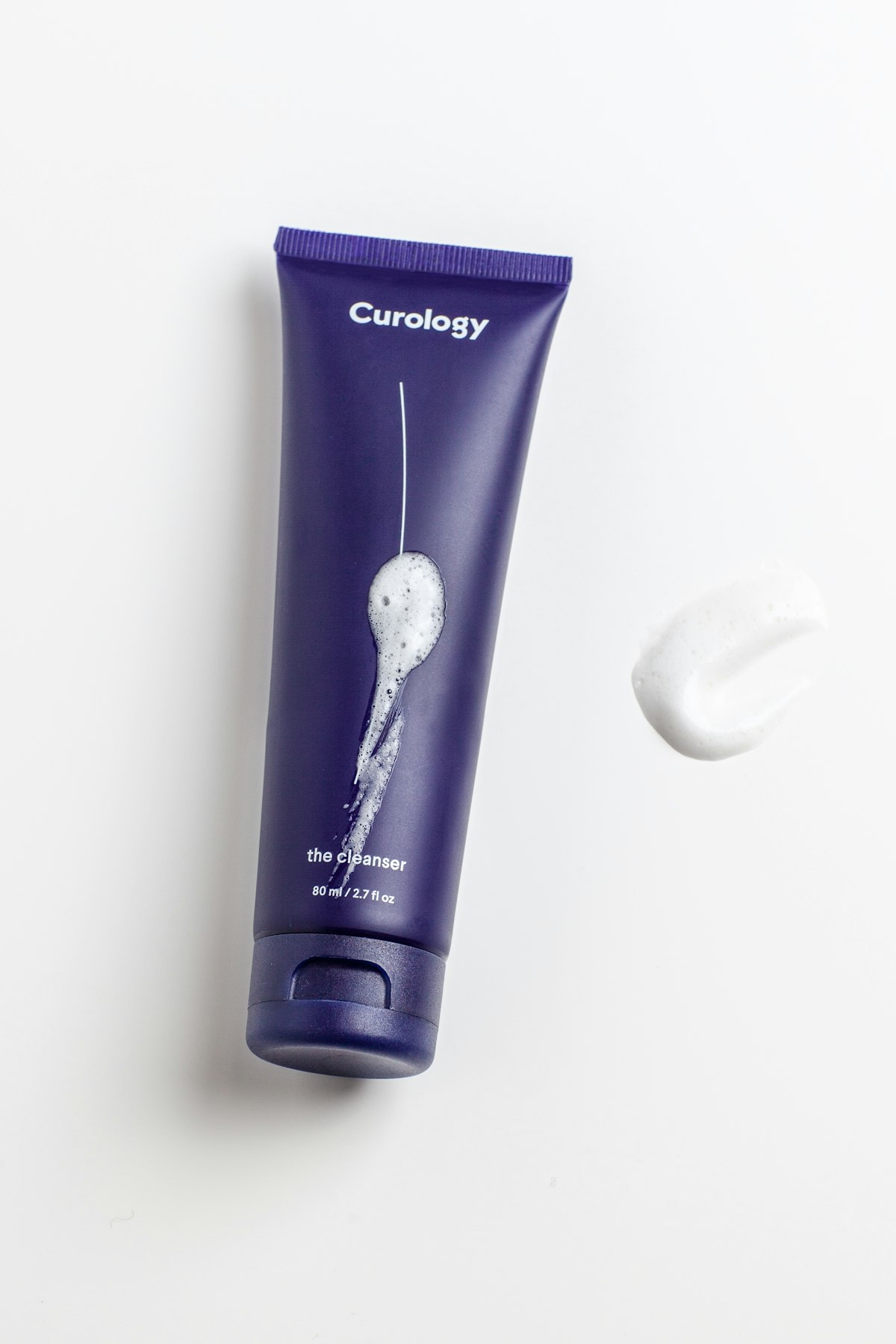
Skincare is one of the most marketing-saturated product categories on the market. Claims are rarely backed by clinical evidence, ingredient lists are padded with fillers, and “luxury” often means expensive fragrance in a premium jar. We worked with a board-certified dermatologist to evaluate 60 products on evidence-based criteria. These made the cut.
The Only Three Products Most People Actually Need
A dermatologist-endorsed morning routine is simpler than the beauty industry wants you to believe: a gentle cleanser, a vitamin C serum, and SPF 30+ sunscreen. That’s it. Everything else is optional. The single highest-impact intervention in skincare — backed by decades of clinical data — is daily broad-spectrum sunscreen. It prevents photoaging, reduces skin cancer risk, and costs $15.
What We Look For
Clinically validated actives: Retinoids, vitamin C (L-ascorbic acid), niacinamide, hyaluronic acid, AHAs and BHAs. Everything else is secondary until you have these covered.
Fragrance-free: Added fragrance is the number one cause of contact dermatitis in skincare. There is no functional benefit to fragrance in skincare — it only adds risk.
Packaging that protects actives: Vitamin C and retinoids degrade on exposure to light and air. Avoid jars or clear bottles for products containing these ingredients.